Premium 3D Printer Filament in Australia | Australian Owned | 24/7 Sydney Pickups

  • Fast Shipping

    Same-day order processing. Pickup is available at any hour of the day from sydney

  • Huge Range

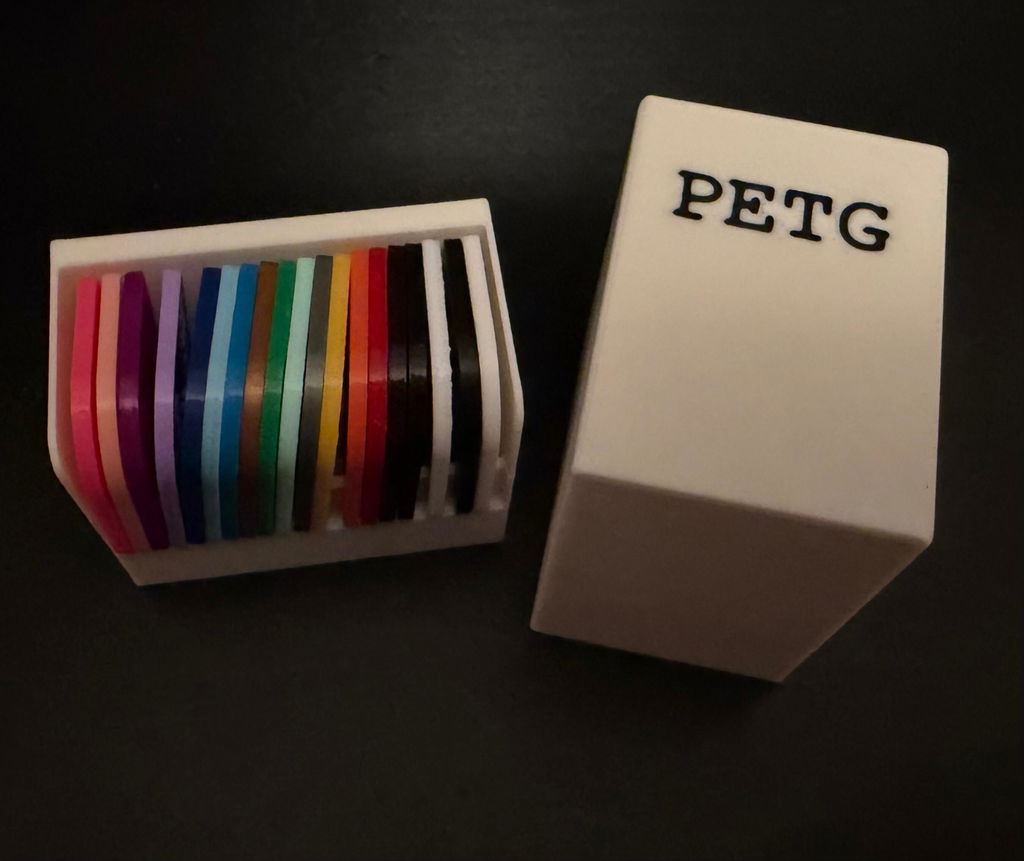
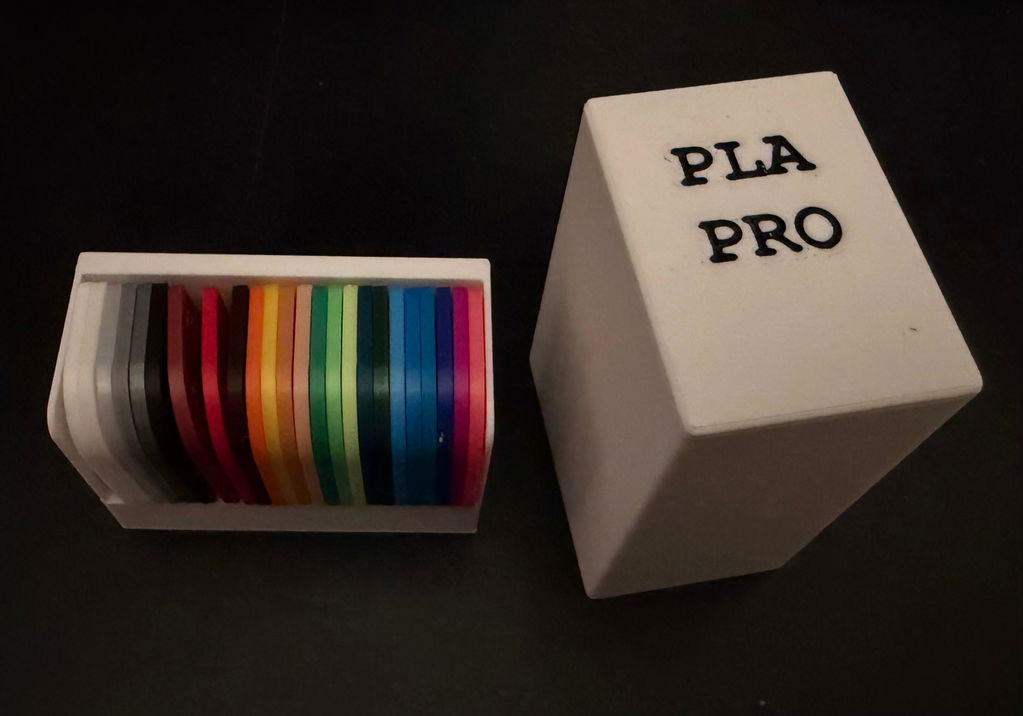
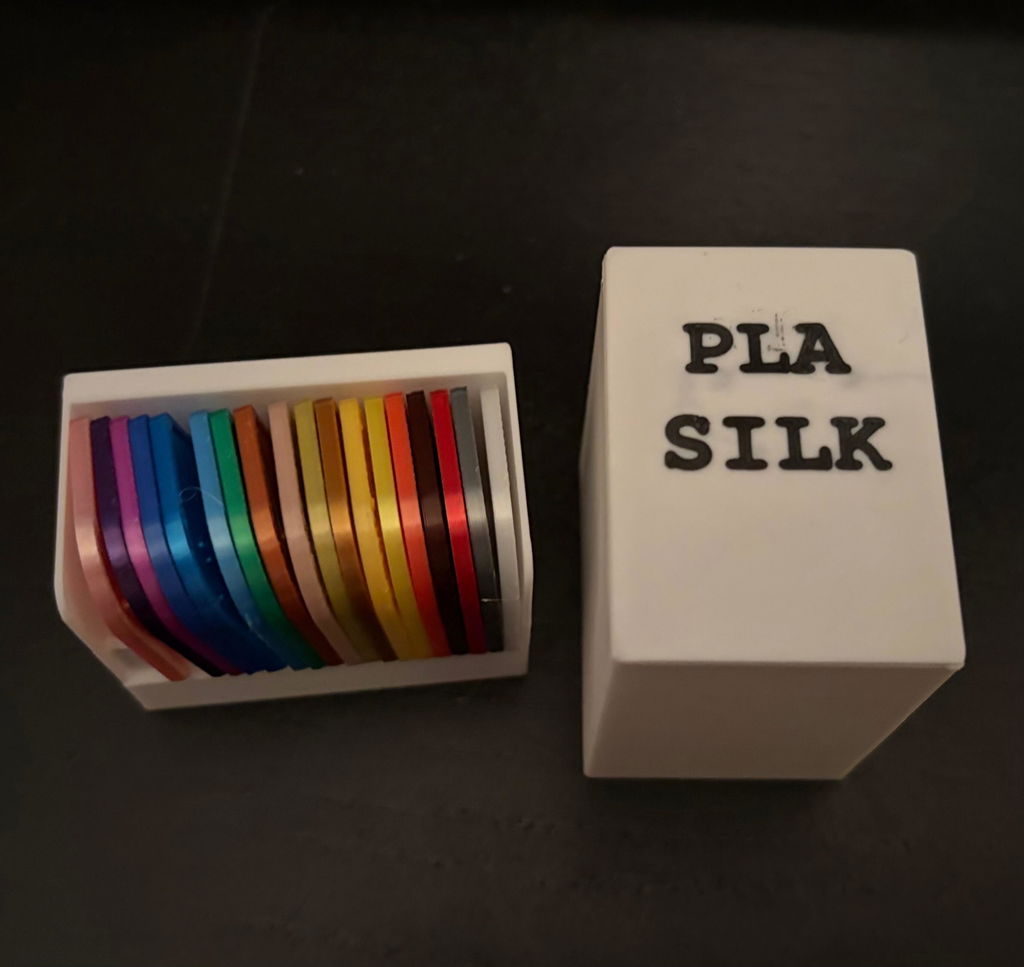
    Choose from PLA, PETG, ABS, ASA, Carbon Fiber and specialty filaments in dozens of colours and finishes.

  • Printer Tested

    Filaments tested on Bambu, Prusa & Elegoo printers in house to guarantee reliability and print quality

  • Premium Quality

    1.75mm ±0.02mm diameter tolerance ensures smooth extrusion, strong adhesion and consistent results every time.

  • Trusted by Makers

    Supplying hobbyists, professionals and businesses across Australia with reliable filament and fast local support

  • AMS Compatible Spools

    Designed for Bambu AMS & AMS Lite systems — spools feed smoothly for seamless multi-material and multi-colour printing

1 of 6

What Our Customers Say About Us

Aaron Clark
2 months ago

Filament Hub is my go to. ​I've been 3D printing for years, and finding a reliable source for high-quality, budget-friendly filament has always been the biggest challenge But then I found Filament Hub! ​I've placed multiple orders with them now, and I can honestly say I've never experienced a single issue. The filament quality is great and a great price! Definitely recommend!

Mark Crawford
a week ago

Top quality filament and great pricing. Order fulfilled and ready for pickup with 10mins of placing order! Convenient pickup option offered. Highly recommended. I have found my new filament supplier.

Jesica Trognot
8 months ago

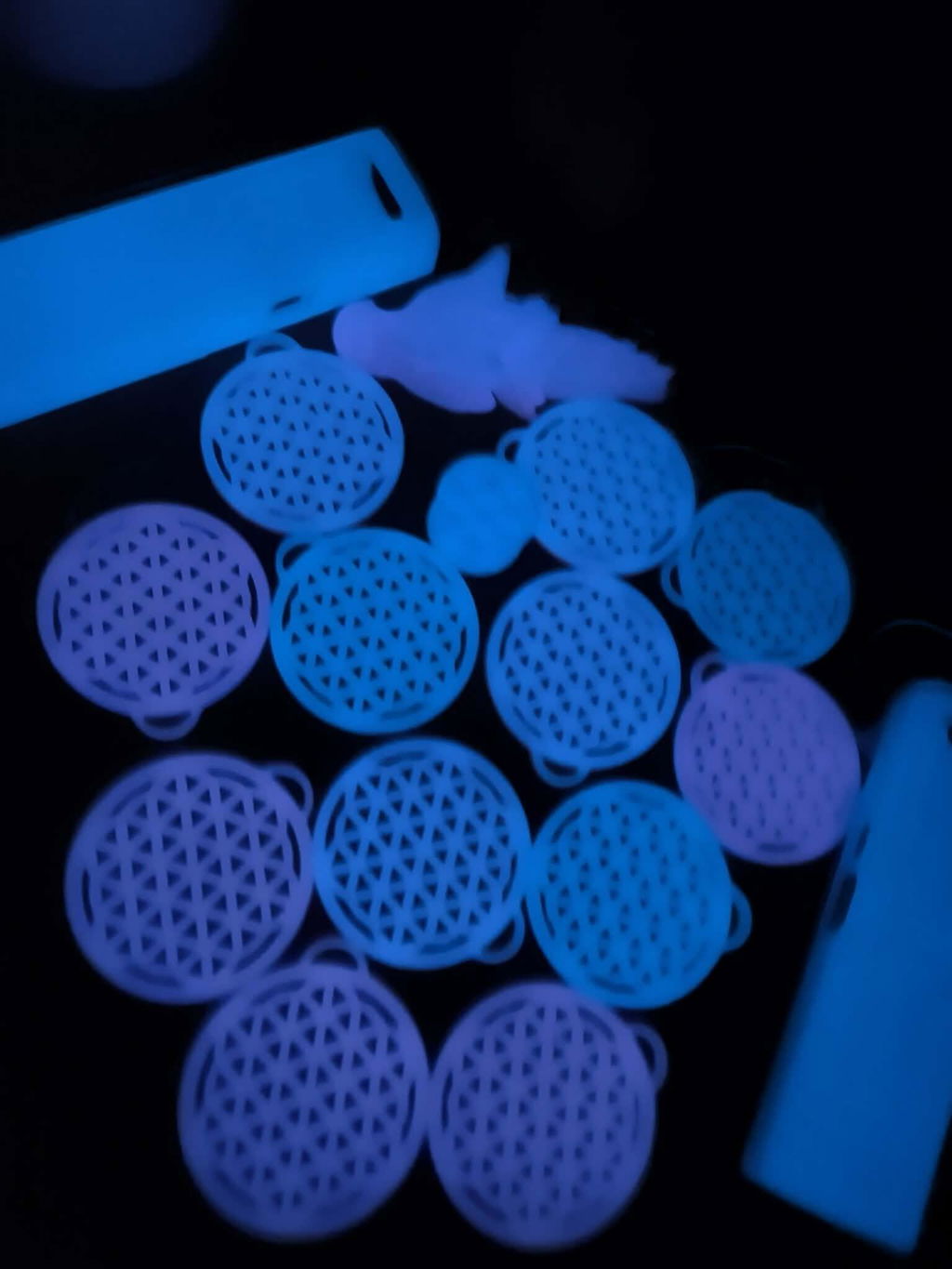
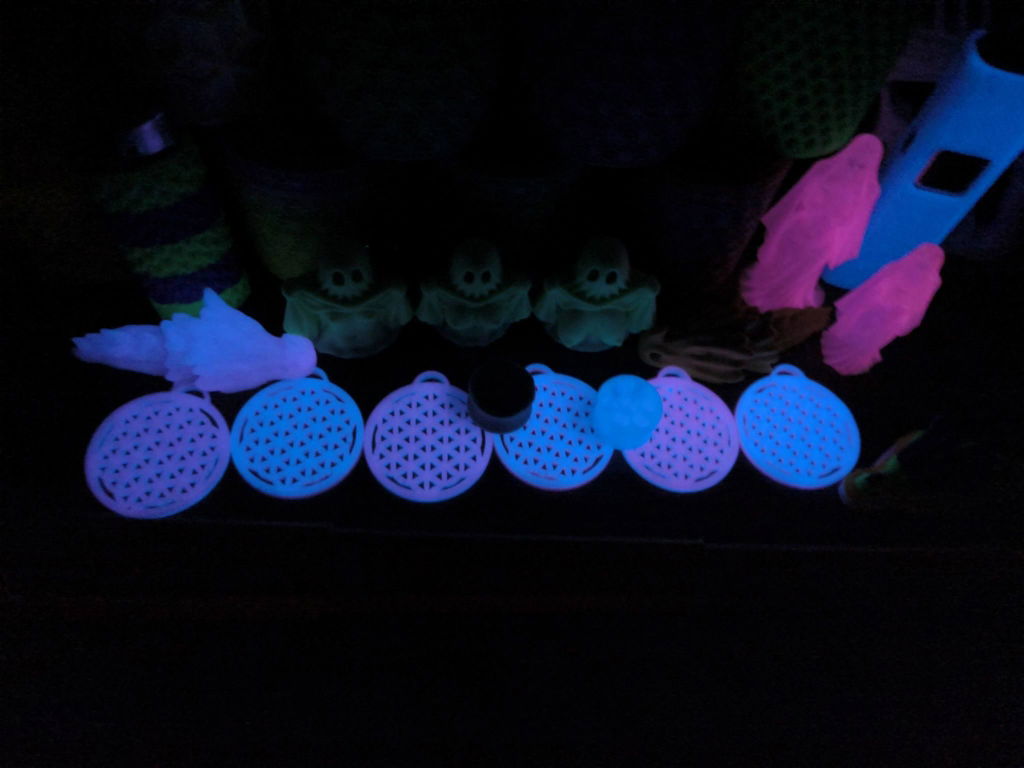
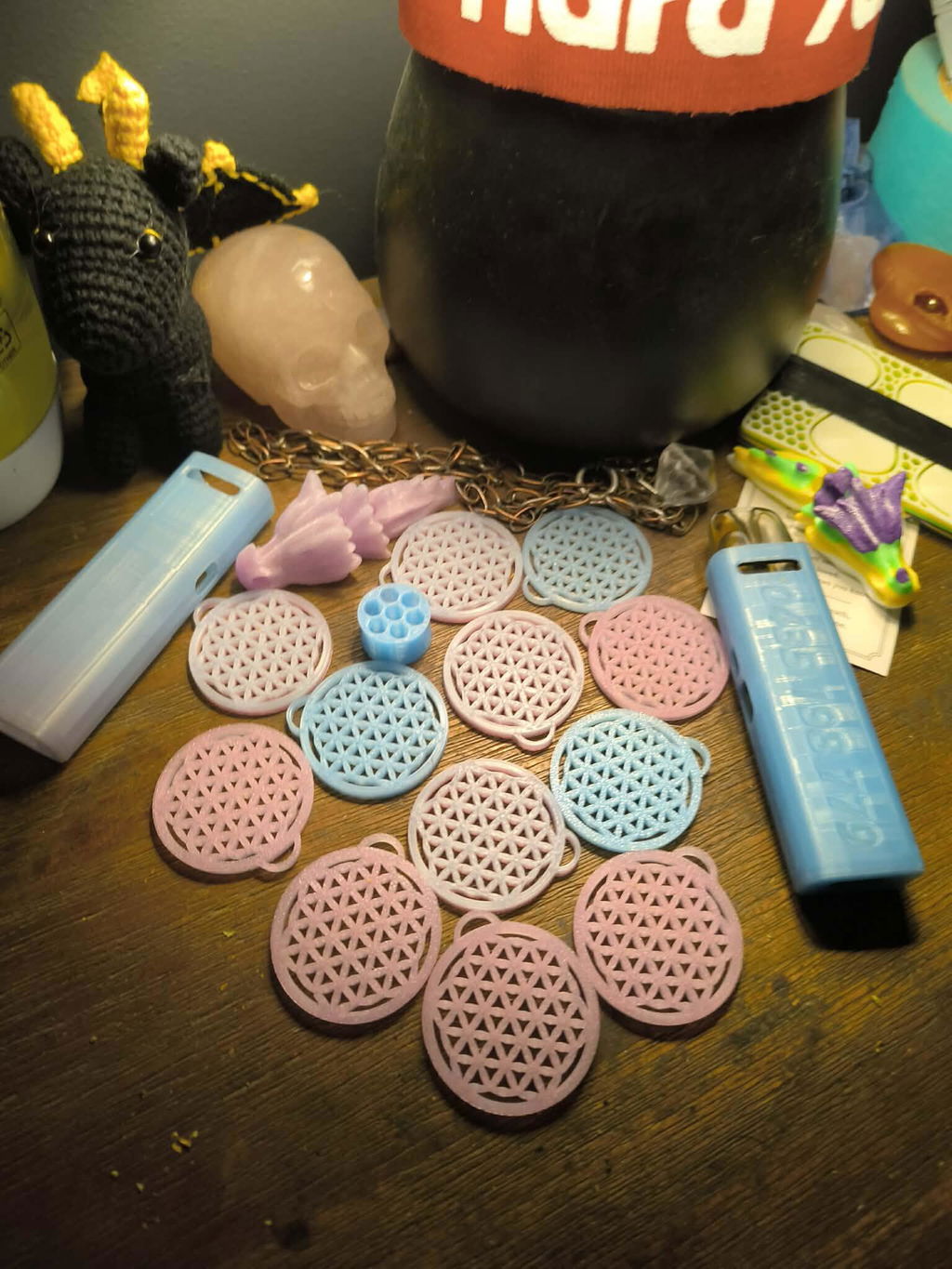
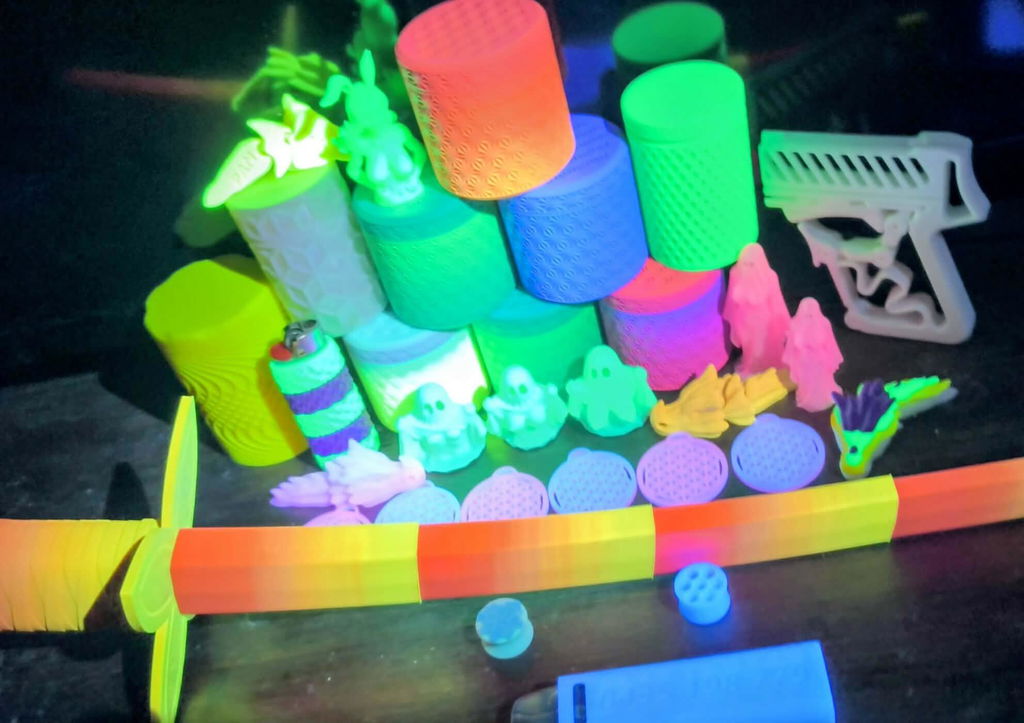
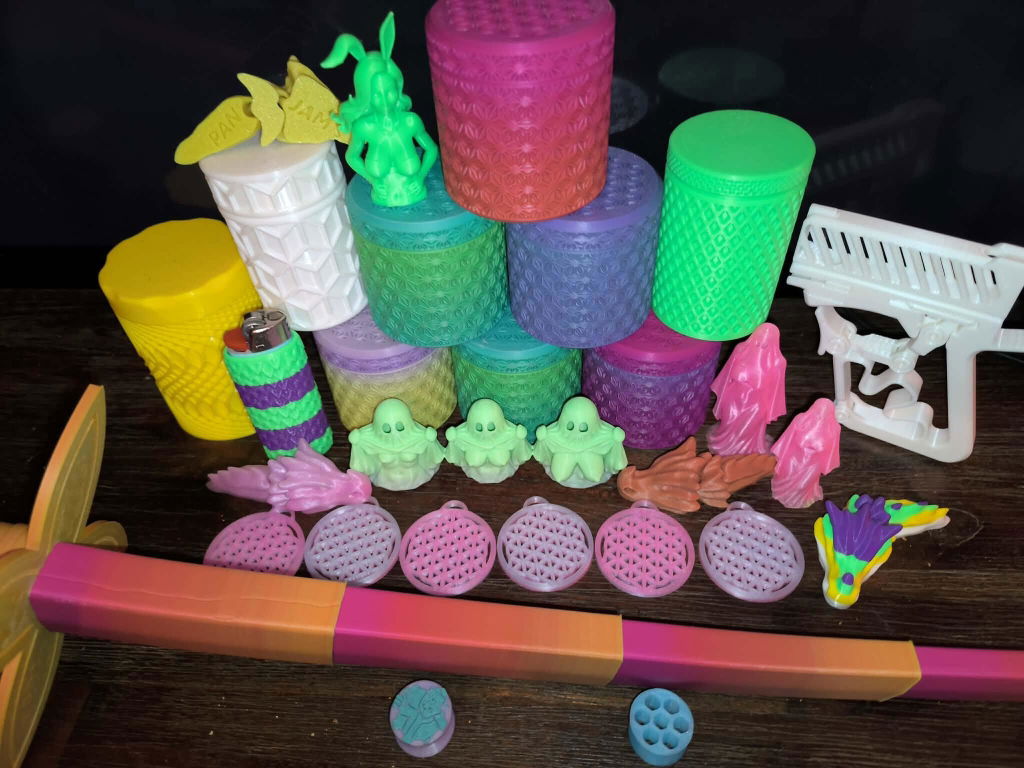
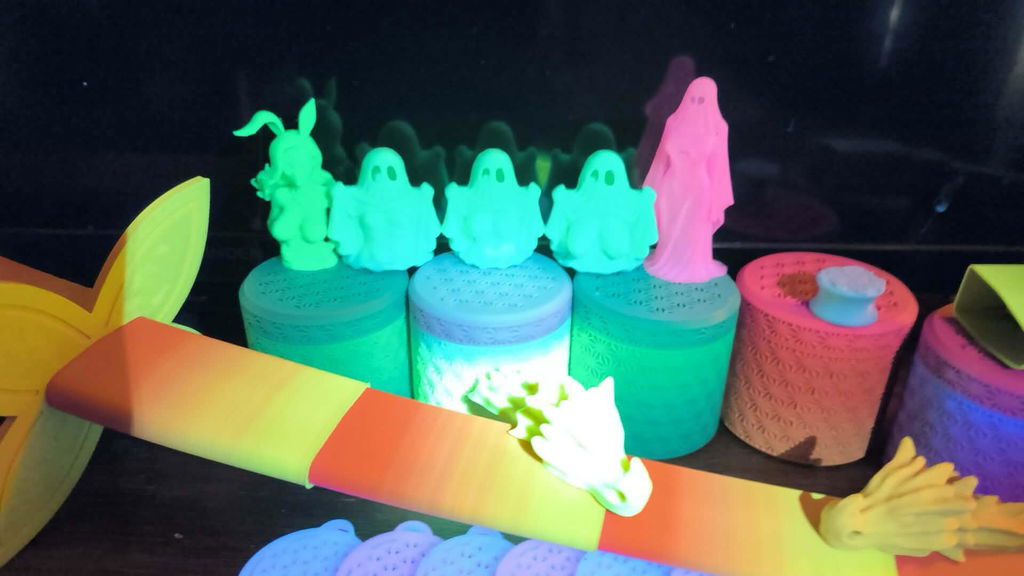
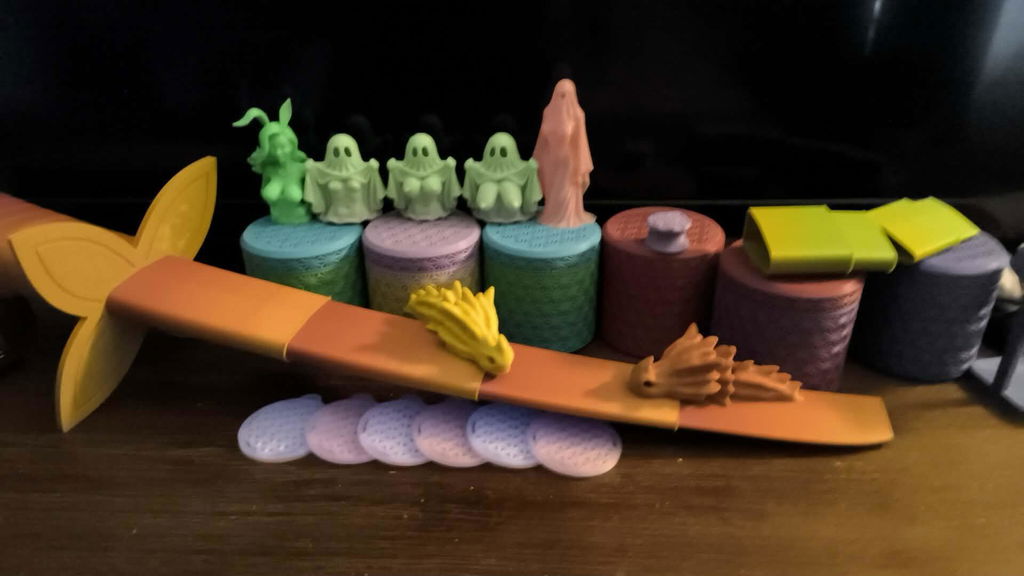
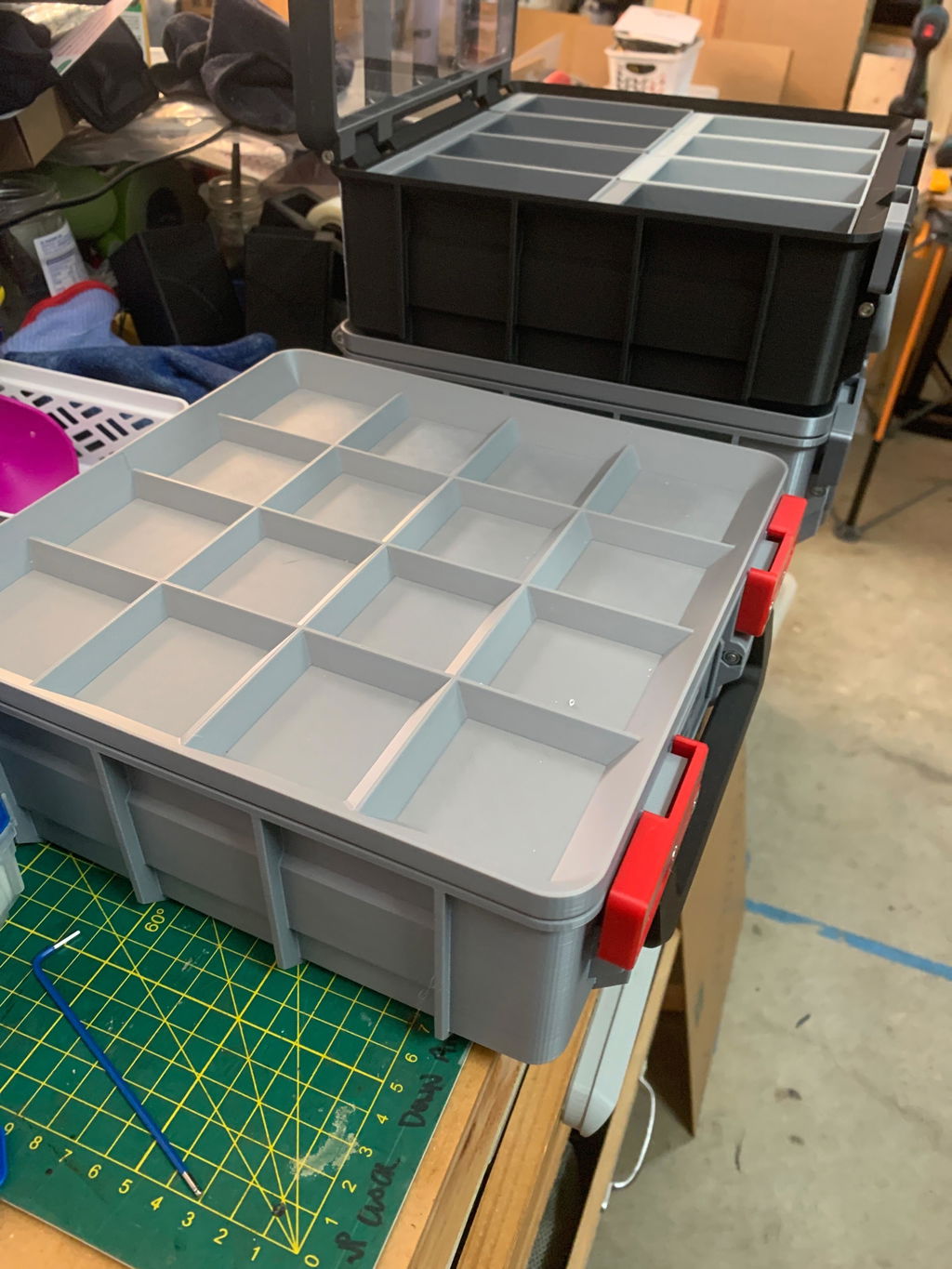
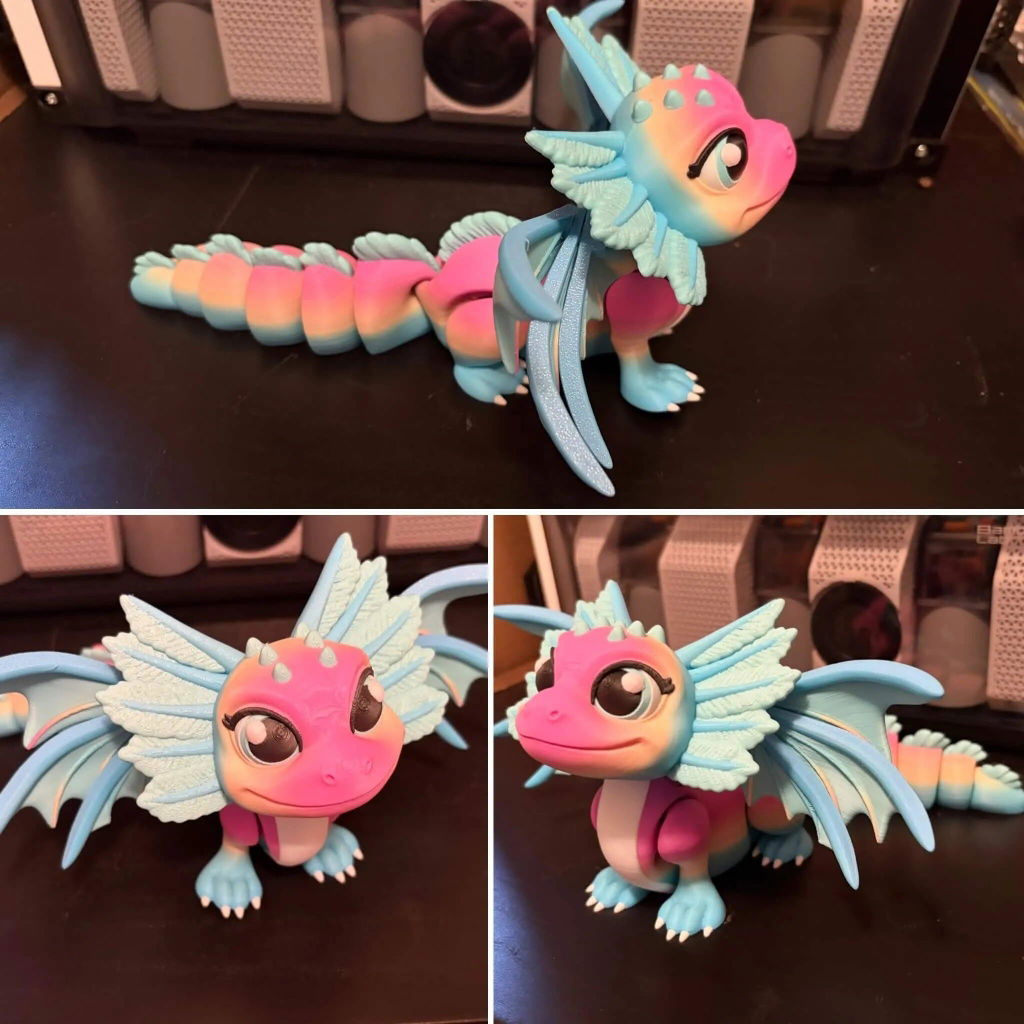
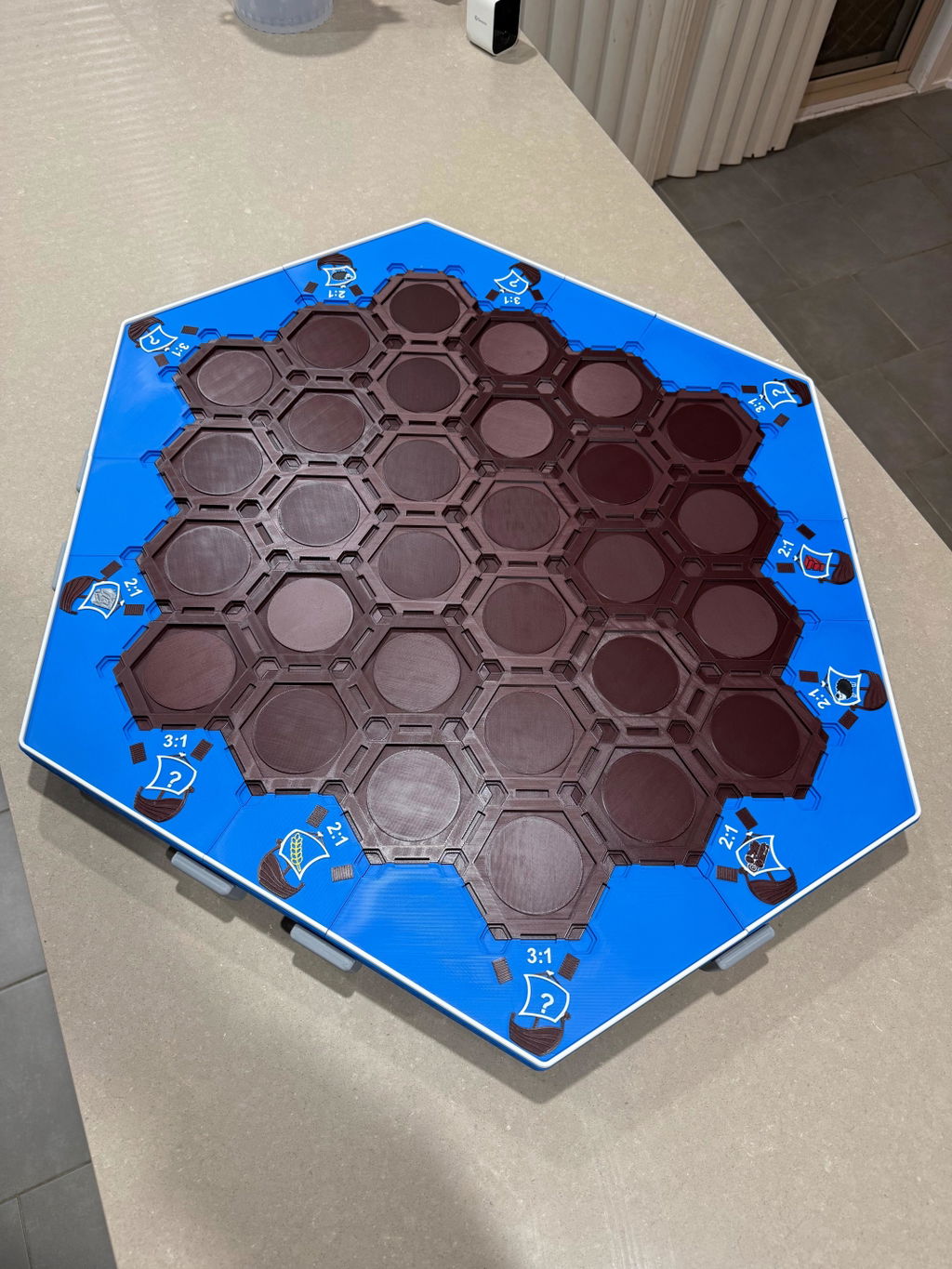
His filament is amazing. Absolutely love it, it works really well with my ams' and also a lot of the times I can use the bambu filament profiles for the matte and the pastel colours. Highly recommended This design was made with all Filament from FilamentHub 😍

Mike Orellana
2 months ago

FilamentHub is the best 3D printing filament supplier in Sydney area. Initially found Dion through Facebook marketplace, and I’ve been a customer through the website and local locker pickups over the last year. FilamentHub has been a great help with providing PLA for my small business. 0 issues on all fronts. Can’t recommend them enough!

FAQs

What is 3D printer filament?

3D printer filament is the raw material used in FDM (Fused Deposition Modelling) 3D printers to create physical objects. It comes in the form of a continuous plastic strand that is fed into the printer, heated, and deposited layer by layer to form a printed part. Different filaments offer varying levels of strength, flexibility, finish, and heat resistance. At Filament Hub, we supply high-quality 3D printer filament designed for consistent extrusion, strong layer adhesion, and reliable results—whether you’re printing functional parts, prototypes, or decorative models.

What are the common filament types?

There are several widely used 3D printer filament types, each offering different properties for different applications. The most common options include:

  • PLA (Polylactic Acid):
    A beginner-friendly filament known for its ease of printing and smooth, clean finish. Ideal for prototypes and decorative items.
  • PETG (Polyethylene Terephthalate Glycol):
    Offers improved durability and moisture resistance, making it suitable for functional and outdoor prints.
  • ABS (Acrylonitrile Butadiene Styrene):
    Strong and heat-resistant, but requires controlled printing conditions to prevent warping.
  • TPU (Thermoplastic Polyurethane):
    A flexible filament used for rubber-like parts such as seals, grips, and protective cases.
  • Nylon:
    Known for its high strength and wear resistance, commonly used for demanding or mechanical applications.

Each filament type is designed for different printing needs, so selecting the right material depends on your printer setup and project requirements.

What are some key considerations when choosing filament?

When selecting 3D printer filament, consider factors such as strength, flexibility, temperature resistance, surface finish, and ease of printing. You should also check printer compatibility, including nozzle temperature and bed requirements. Environmental conditions matter too—some filaments are sensitive to moisture and require dry storage. Print purpose is another key factor: decorative prints may prioritise appearance, while functional parts need durability. Filament Hub offers detailed product information to help you choose the best filament for your printer and application.

How long does 1 kg of filament last?

How long 1 kg of 3D printer filament lasts depends on your print size, infill percentage, layer height, and model complexity. On average, a 1 kg spool can produce several small models or a handful of medium-to large-sized prints. For example, a simple phone stand may use 50–70 grams, while larger functional parts may use 200 grams or more. Efficient slicing settings can help maximise filament usage. Whether you’re a hobbyist or running frequent prints, a 1 kg spool offers excellent value and versatility.

Is PLA or PETG stronger?

PETG is generally stronger and more durable than PLA, particularly in impact resistance and flexibility. While PLA offers excellent surface quality and rigidity, it can become brittle over time and deform under higher temperatures. PETG provides better layer adhesion, chemical resistance, and durability, making it suitable for functional or outdoor parts. However, PLA remains a great option for detailed prints and indoor use. Choosing between PLA and PETG depends on whether you prioritise ease of printing or long-term strength.

Can 3D printer filament absorb moisture?

Yes, many types of 3D printer filament are hygroscopic, meaning they absorb moisture from the air. Filaments such as PLA, PETG, Nylon, and TPU can degrade in print quality when exposed to humidity, resulting in stringing, bubbling, or weak layers. Proper storage is essential—airtight containers with desiccant packs help maintain filament performance. At Filament Hub, we recommend storing filament correctly to ensure consistent prints and extend the life of your materials. Feel free to contact us if you have any questions.

Does filament quality affect print results?

Absolutely. High-quality 3D printer filament plays a major role in achieving consistent, reliable prints. Poor-quality filament can have inconsistent diameter, impurities, or moisture content, leading to clogs, uneven extrusion, and weak prints. Premium filament offers tighter tolerances, smoother feeding, and better layer bonding. Investing in quality filament saves time, reduces failed prints, and improves final results. Filament Hub focuses on supplying dependable filament that delivers professional-grade outcomes for beginners and experienced makers alike.

What filament is best for beginners?

PLA is widely considered the best 3D printer filament for beginners. It prints at lower temperatures, requires no heated enclosure, and produces minimal warping. PLA also delivers clean details and a smooth finish, making it ideal for learning and experimentation. It’s suitable for decorative items, prototypes, and light-use parts. Once you’re comfortable with PLA, you can explore other filaments like PETG or TPU. Filament Hub stocks beginner-friendly options to help you get started with confidence.